
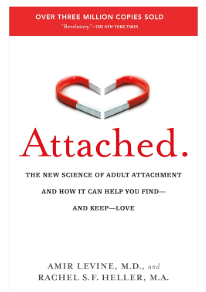
The Insight
In Attached, Amir Levine and Rachel S.F. Heller examine adult attachment styles—anxious, avoidant, and secure—and explain how our early relational blueprints dictate our behavior in romantic partnerships. The authors highlight how individuals with an anxious attachment style often experience intense fears of abandonment, hyper-activate when sensing emotional distance, and rely on protest behaviors or urgent attempts to secure closeness to calm their nervous systems. Conversely, those with an avoidant attachment style use distancing strategies to maintain independence and manage vulnerability. Levine and Heller emphasize that true relational health requires recognizing these innate wiring patterns, moving past shame, and developing effective communication to build secure bonds with partners who are emotionally available and responsive.
The Mending
My journey through decades of feeling invisible and abandoned deeply mirrored the anxious attachment patterns described in Attached. Surviving early infancy neglect left me with a profound, internal conviction that I was unlovable and fundamentally alone, making my adult marriage a frantic, exhausting mission to secure safety and prove my worth. I continually engaged in protest behaviors—over-adapting, suppressing my own needs, and enduring deep emotional distress—just to maintain a fragile illusion of connection with a partner who was emotionally unavailable. Recognizing these behaviors through Attached allowed me to replace the heavy burden of self-blame with deep compassion. I understand now that my hyper-vigilance and desperate striving were not personal failures, but adaptive survival mechanisms forged in childhood. Breaking free from that cycle has allowed me to rewrite my relational blueprint, transforming old patterns into enduring resilience and reclaiming a grounded, peaceful sense of self.